Queer Approaches to Corpus and Discourse Linguistics
- Course type: Seminar and Exercise
- Institution: Faculty of Humanities
- Funding period: 01.10.2024 bis 30.09.2025
- Short title: QuZuKoDiLi
Orientation of the project

The QuZuKoDiLi project aimed to combine queer linguistics and digital humanities in research and teaching. The courses covered (1) general digital and data literacy, (2) interdisciplinary methods (data collection, processing, management, analysis, and presentation), and (3) subject-specific content and methods (queer, discourse, and corpus linguistics). This was justified on the one hand by the fact that digital humanities and data & digital literacy have become increasingly important, making advanced knowledge all the more necessary for students [and teachers] in the humanities. On the other hand, queer linguistics is an equally (socially) relevant and new field of research that is arousing great interest, especially among students.

Alexander Grey / unsplash
Review and results

The project consisted of conducting a seminar with accompanying exercises at the master's level – in the winter semester of 2024/2025 and the summer semester of 2025. By combining the seminar with practical exercises, the students were able to gain a better understanding of the practical application of methods and the development of their own questions based on previously taught theories. Through intensive text work in the seminar, which was always combined with discussions about the challenges of empirical research, students also had more opportunities to reflect on scientific methods. This promoted a critical approach to data and its processing in the research process, which will benefit students in the further course of their studies. Another aspect is that students were familiarized with a range of digital tools that they can use not only in research projects within the framework of QuZuKoDiLi, but also for their further studies.
The diversity of methods used in corpus and discourse linguistics was thus not only examined theoretically, but could also be tested directly by the students in practice. The focus was always on the challenge of selecting the appropriate data basis and analysis method for the respective question. Overall, the comprehensive theoretical examination and reflection on the research process, as well as the practical handling of (digital) data and research methods, is a key outcome of the QuZuKoDiLi teaching project. The close integration of theory and practice has made an important contribution to the promotion of digital and data literacy.
Tips from lecturers for lecturers

The strong interconnection between theory and practice, which has proven to be very beneficial, can also be transferred to other humanities subjects. Likewise, the successful implementation of QuZuKoDiLi shows that a greater focus on the technical aspects of data preparation and cleaning makes an important contribution to enabling students to carry out their own research projects. These skills can and should also be promoted in other subject-specific courses in the spirit of research-based learning within the framework of digital humanities by focusing on the application of various analysis tools and the implementation of students' own research projects.
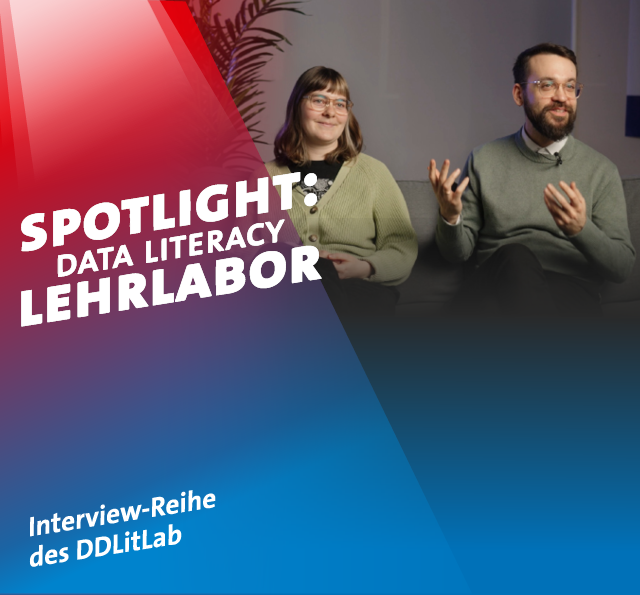
Beteiligte Personen
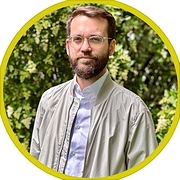
Prof. Dr. Lars Sörries-Vorberger
Junior Professor for German Linguistics, Institute for German Studies
Focal Points:
- Language and Sexuality (Queer Linguistics)
- Corpus and Discourse Linguistics
- Digital Humanities
- Phonetics & Phonology

Carla Sökefeld
Research assistant, Institute for German Studies
Focal Points:
- Corpus Linguistics
- Gender Linguistics
- Digital Humanities/Computational Linguistics
Faculty of Humanities
Applicants: Prof. Dr. Lars Sörries-Vorberger, Carla Sökefeld
Funding line: Disciplinary Data Literacy Education
Funding period: 01.10.2024 - 30.09.2025